
In the cutthroat Los Angeles real estate scene, an open house isn’t just a showing; it’s your property’s premiere. This is the moment your home hits the spotlight, aiming to wow a discerning audience of potential buyers. A blockbuster showing doesn’t just happen. It demands a killer strategy, meticulous prep, and a dash of that Hollywood magic.
Forget the tired, generic advice. This guide is all about actionable, market-tested open house tips for sellers that will make your property the talk of the town. We’re moving way beyond “bake cookies” and into the strategic nitty-gritty that actually connects with LA buyers.
This listicle is your complete playbook, covering everything from deep cleaning and strategic staging to killer marketing and creating a multi-sensory vibe that buyers won’t forget. Whether you’re selling a slick downtown loft or a chill Pasadena bungalow, these insights will help you orchestrate an event that doesn’t just pull in visitors, but makes them want to write an offer. Let’s get your home ready for its close-up.
1. Deep Clean and Declutter Every Room
First things first: you have to transform your lived-in home into a pristine, welcoming space. A hardcore deep clean and strategic decluttering create a blank canvas, letting prospective buyers in the competitive Los Angeles market actually envision their own lives within the walls, instead of getting distracted by your personal stuff. The mission is to make every room feel bigger, brighter, and way more valuable.
Before you even think about cleaning, you have to implement effective strategies to declutter your home. This isn’t just tidying up; it’s about creating a sense of spaciousness and order. That means ditching excess furniture that clogs walkways, clearing off every countertop, and depersonalizing each room. Pack away the family photos, quirky art, and personal collections. You’re not erasing your personality; you’re creating a neutral zone that appeals to everyone.
The Impact of a Clean Slate
This isn’t just busy work; it’s a strategic move with a serious ROI. A Chicago seller, for instance, ditched two-thirds of their books and furniture and snagged an offer $25,000 over asking in just three days. In Austin, a family’s decluttering blitz brought in 40% more attendees to their open house compared to similar local listings.
The visual punch of a decluttered and deep-cleaned home can directly pump up buyer perception and your bottom line. Check out these key outcomes.
As the data shows, these efforts can seriously boost your home’s perceived value and slash the time it spends on the market.
Actionable Cleaning & Decluttering Tips
To get your home show-ready, you have to sweat the details that buyers absolutely notice.
- Start Early: Kick off the decluttering process at least four to six weeks before your first open house. No last-minute panic attacks allowed.
- The One-Year Rule: Simple but savage. If you haven’t used an item in the past year, it’s time to pack it, sell it, or donate it. Be ruthless.
- Go Beyond the Obvious: Clean the stuff people forget, like air vents, baseboards, light fixtures, and window tracks. These little details scream “well-maintained property.”
- Show Off Storage: Don’t just cram junk into closets. The goal is to have them only 50% full to show off all that glorious storage space—a huge selling point in LA.
- Fresh and Neutral: Banish weird smells by sprinkling baking soda on carpets overnight before vacuuming. Get rid of all refrigerator magnets and clear every single item off the bathroom counters.
For a comprehensive guide to getting your property ready, explore our prepare your house for sale checklist.
2. Strategic Home Staging
Going beyond just cleaning, strategic home staging is the art of arranging furniture and decor to spotlight a home’s best features. It’s about creating an aspirational lifestyle that buyers in the competitive Los Angeles market connect with on an emotional level. This isn’t your personal interior design project; it’s a marketing tool designed to optimize flow, max out the perception of space, and showcase your home’s full potential. It’s about helping buyers see themselves living there, not you.
The goal is to turn your property into a product that appeals to the widest possible audience. By strategically placing furniture and accessories, you can guide a buyer’s eye toward cool architectural details and away from any potential flaws, making every square foot feel intentional and valuable.
The Impact of a Curated Environment
The power of staging is that it sells a vision, not just a building. A well-staged home doesn’t just look better; it often sells faster and for more money. Take a Los Angeles condo that sat on the market for six months; after professional staging, it sold in two weeks for $40,000 over its original asking price. In another case, a vacant Boston home got five offers after its first open house once it was staged with rented furniture.
These results prove how staging can directly hijack a buyer’s decision-making process.
As real estate mogul Barbara Corcoran often says, buyers make up their minds within the first few seconds of walking in. Staging makes sure that first impression is a knockout punch.
Actionable Staging Tips
To stage your home like a pro, focus on creating a bright, inviting, and universally appealing vibe.
- Define Each Room’s Purpose: Don’t make buyers guess. An empty corner becomes a reading nook with a chair and a lamp. A spare room is clearly a home office or guest bedroom. Give every space a job.
- Use Mirrors Strategically: Place large mirrors across from windows. They’ll bounce natural light around and create an illusion of depth, making rooms feel way bigger and brighter.
- Suggest a Lifestyle: Set the dining table with simple, elegant place settings to help buyers imagine hosting dinner parties. Put a cool cookbook and a bowl of fresh lemons on the kitchen island.
- Let There Be Light: Use a three-point lighting strategy (ambient, task, accent) in each room. If you’re thinking about updates, exploring top window design ideas can also maximize natural light and boost a room’s appeal.
- Ensure Clear Pathways: Arrange furniture to create obvious, easy-to-navigate walkways. This improves the flow of the home and makes spaces feel less cramped and more open.
For a deeper dive into making your property stand out, learn more about how to stage a home.
3. Create an Inviting Entrance Experience
The first impression of your home is made the second a potential buyer pulls up to the curb—long before they even step inside. Designing a welcoming arrival, from the street to the front door, is a power move that creates an immediate, positive gut reaction. Since buyers form an opinion within the first seven seconds, curating this experience is one of the most vital open house tips for sellers trying to crush it in the competitive Los Angeles market.
This first look sets the vibe for the entire showing. A pristine, inviting entrance signals that the home is well-maintained and loved, building buyer confidence from the jump. It’s about creating a journey from the curb to the door that makes visitors feel welcome and hyped to see what’s inside.

The Impact of a Grand Welcome
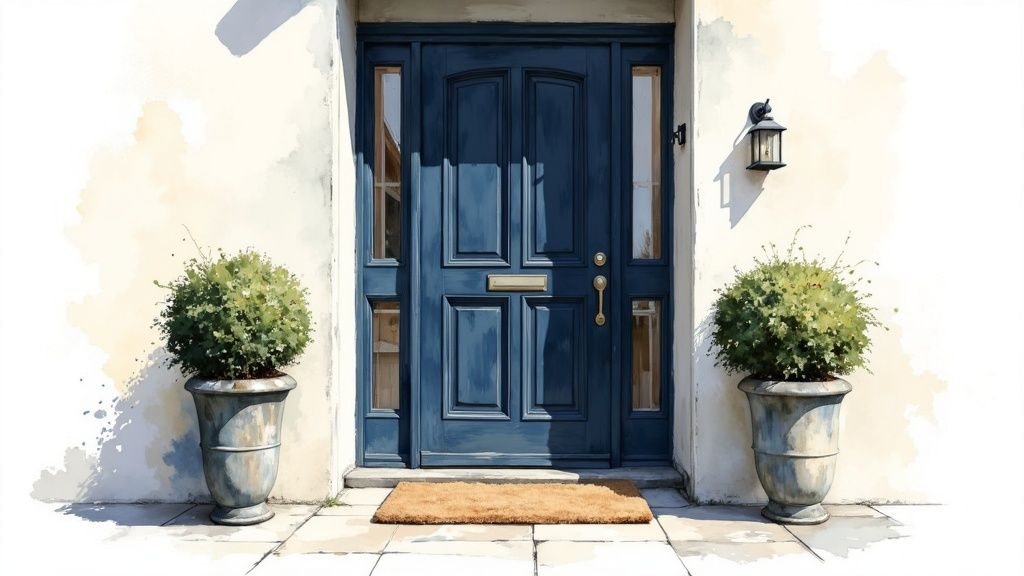
The financial and emotional payoff of upgrading your home’s entrance can be huge. For example, a Phoenix homeowner dropped just $400 on front yard landscaping and got an offer above asking from a buyer who came to the very first open house. A Portland seller who repainted their wild purple door a classic navy saw their open house attendance double.
These small, smart investments directly shape how buyers see your property’s value and desirability. A Nashville seller spent $150 on a new door knocker, doormat, and potted plants, and 80% of open house visitors specifically commented on the home’s “welcoming feel.” It works.
Actionable Entrance & Curb Appeal Tips
To craft an entryway that grabs buyers, focus on the details that make a massive impact.
- Elevate the Front Door: A fresh coat of paint in a color that complements the home but adds a pop of personality (classic black, navy, or a deep red are proven winners) can dramatically boost curb appeal.
- Create Symmetry: Put two identical potted plants on either side of the front door. It creates a balanced, high-end look that feels instantly polished.
- Power Wash Everything: Blast the front walkway, driveway, and porch to get rid of any dirt or grime. This simple job makes the whole property look newer and better maintained.
- Perfect the Details: Make sure your house numbers are polished and easy to read. Add a brand-new, stylish doormat, and double-check that the doorbell works and sounds pleasant, not jarring.
- Clear the Path: Trim any overgrown bushes or trees that hide the front door or block the walkway. You want the entrance to be fully visible and totally accessible.
4. Optimize Timing and Marketing Strategy
Hosting an open house without a game plan for its timing and promotion is like throwing a party and forgetting to send invites. Nailing your schedule and marketing creates a sense of urgency and maximizes foot traffic, which is critical for sparking a bidding war in the fast-paced Los Angeles market. The goal is to get the most qualified buyers through the door in a specific window, creating a buzz that can lead to a faster, more profitable sale.
A well-timed open house dodges conflicts and hits during peak buyer activity, while a targeted marketing campaign makes sure your property gets in front of the right people. This one-two punch, championed by real estate pros like Ryan Serhant who advocate for aggressive social media promotion, turns a passive showing into a must-see event.
The Impact of a Strategic Rollout
Timing and marketing aren’t just logistics; they are powerful weapons that directly influence turnout and offer quality. A San Francisco seller, for example, used targeted Facebook ads to reach tech workers moving to the area, resulting in five strong offers straight from open house attendees. In another case, a Minnesota homeowner cleverly scheduled their event to avoid a huge local high school football game, leading to packed attendance while competing open houses were ghost towns.
The right promotion at the right time can blow up your visibility and buyer engagement, which ultimately impacts your final sale price.
Actionable Timing & Marketing Tips
To throw a successful open house, focus on a precise schedule and a multi-channel promo strategy.
- Pinpoint the Right Time: Sunday afternoons, usually from 1-4 PM, are often the sweet spot for buyer traffic in most markets. Always steer clear of major holiday weekends or big local events that could steal your audience.
- Create a Promotional Runway: Start your marketing push 7-10 days before the event. This gives potential buyers enough time to see the listing and work it into their schedule.
- Leverage Professional Visuals: High-quality, professional photos and a virtual tour are non-negotiable. They should be on everything from your online listings to social media posts.
- Dominate Digital Channels: Blast your open house on Zillow, Realtor.com, Instagram, and Facebook. Use targeted ads to reach specific buyer demographics looking in your LA neighborhood.
- Use Physical Signage: Plant clear, professional “Open House” signs at major nearby intersections 2-3 days before the event to capture local drive-by traffic.
For a deeper dive into market cycles, discover more about the best time to sell your house.
5. Implement Professional Security and Visitor Management
Balancing a welcoming vibe with solid security is a critical, and often overlooked, part of a successful open house. Using a systematic approach to manage visitors protects your property, valuables, and privacy while creating an organized way to collect info on serious buyers. This isn’t about being paranoid; it’s about being a pro and protecting your biggest asset in the bustling Los Angeles real estate scene.
A well-oiled visitor management system turns a chaotic free-for-all into a valuable lead-gen opportunity. By requiring everyone to sign in, you not only deter lurkers but also capture essential contact details for follow-up. This professional move sets a serious tone and shows that both you and your agent are buttoned-up and in control.
The Impact of a Secure System
A proactive security and visitor management strategy delivers both protection and profit. For instance, a New York seller used a tablet-based check-in that captured info from 45 qualified leads, leading to two offers directly from attendees who were followed up with right away. On the flip side, a California homeowner who didn’t secure valuables had jewelry stolen during an open house—a totally preventable loss that cost them over $5,000 and a ton of stress.
A consistent system not only protects your stuff but also builds a pipeline for your agent. One Texas real estate agent attributes nearly 30% of their new business directly to diligent follow-up with leads gathered from their open house sign-in system.
Actionable Security & Management Tips
To create a secure and productive open house, put these key steps into action.
- Secure Valuables and Medications: Before anyone sets foot inside, remove or lock away all jewelry, small electronics, prescription drugs, and personal documents.
- Use a Digital Sign-In App: Use a tool like Spacio or Open Home Pro for a professional, efficient check-in. At a minimum, require a name, phone number, and email. No exceptions.
- Lock Down Sensitive Areas: Close and lock doors to personal offices, basements, and garages to limit access. And don’t forget to take the garage door opener out of your car.
- Staff Adequately: Make sure your agent has a helper or two during busy times to greet guests, monitor different areas of the home, and make sure no one is left wandering around alone.
- Prompt Follow-Up: A key part of visitor management is what happens next. Have your agent contact every single person who signed in within 24 hours to thank them for coming and ask for feedback.
6. Create Multi-Sensory Appeal
A truly killer open house engages more than just the eyes; it creates a whole experience that connects with buyers on an emotional level. Creating multi-sensory appeal means strategically playing with sight, sound, scent, touch, and even taste to make your home feel inviting and unforgettable. This next-level approach, made famous by sensory branding experts like Martin Lindstrom, turns a property viewing into a positive, holistic experience that makes buyers feel instantly at home.
The goal is to trigger feelings of comfort and aspiration, letting buyers in the competitive Los Angeles market form a subconscious bond with the space. This isn’t about big, loud gestures but about subtle, curated details that work together to create a cohesive and welcoming atmosphere. When you get this right, your property will stand out from the dozens of others a serious buyer might see.
The Impact of a Sensory Experience
Engaging the senses can be a ridiculously powerful sales tool. A Florida home, for instance, with a subtle vanilla scent and soft jazz playing, sold to a couple who later said, “the house just felt right,” even after seeing three other comparable properties. On the other hand, a Seattle seller who baked cookies got feedback that the tactic felt “too obvious,” which proves that subtlety is key.
You want to create an environment that feels authentic and luxurious, not staged. A positive sensory experience can make a buyer hang around longer, feel more connected, and remember your property more vividly than any other.
Actionable Sensory Tips
To craft a compelling multi-sensory experience, focus on subtle upgrades that feel natural, not forced.
- Mindful Scents: Use a single, subtle scent like fresh linen, citrus, or green tea. Ditch the overpowering air fresheners or candles. If the weather’s nice, open the windows 30 minutes before showtime for a blast of fresh air.
- Set the Right Tone: Play soft, instrumental music like light jazz or classical at a barely-there volume. The sound should fill the background, not dominate conversations.
- Comfort is Key: Set your thermostat to a comfortable, neutral temperature (around 70-72°F) no matter what season it is. The goal is for buyers to not even notice the temperature.
- Incorporate Touch: Add tactile elements that invite touch, like a cashmere throw on a sofa, plush towels in the bathroom, or a silk pillow on the main bed. These details signal quality and comfort.
- A Tasteful Touch: Offer simple, elegant refreshments. Providing bottled water with a custom label featuring the property’s address is a pro move that leaves a lasting impression.
7. Prepare Comprehensive Property Information Packets
While a great first impression is everything, a lasting one is what seals the deal. Creating a detailed, professional info packet extends the open house experience, keeping your property top-of-mind long after visitors have left. This tangible takeaway gives buyers all the critical data they need, answering their questions before they even ask and helping them make a confident, informed decision.
A well-crafted packet is a powerful marketing tool that builds trust and highlights your home’s value. Instead of just remembering the “vibe” of the house, buyers have hard facts about upgrades, maintenance, and community perks right in their hands. This positions your property as a transparent, well-maintained investment—a huge advantage in the competitive Los Angeles market.
The Impact of Tangible Information
This isn’t just about handing out a generic flyer; it’s a strategic move to hammer home your property’s selling points. A Boston seller’s packet, for example, included the 10-year roof warranty and recent HVAC service records, which helped justify their above-market asking price and led to a full-price offer. A Denver homeowner who emailed digital packets to all attendees saw an 85% open rate and multiple requests for second showings.
Providing organized, comprehensive information screams “meticulous homeowner” and can directly boost a buyer’s confidence. Check out these key outcomes.
As the data shows, these packets can significantly reinforce your asking price and speed up the decision-making process for serious buyers.
Actionable Information Packet Tips
To create a packet that stands out, focus on providing value and a pro presentation.
- Professional Presentation: Use high-quality paper and a sharp-looking folder. Slap a professional color photo of your home on the cover to make an immediate impact.
- Logical Organization: Structure the info clearly with sections for home specs, a list of major improvements (with dates and costs), and details on systems like HVAC and roofing.
- Key Documents: Include a floor plan if you have one, average utility costs for all four seasons, property tax info, and any HOA details, including fees and what they cover.
- Neighborhood Highlights: Per Federal Fair Housing Act guidelines, focus on objective data. Add a map showing distances to key amenities like grocery stores, public parks, and transit stops. Include publicly available information about the local school district.
- Digital & Print: Create both physical copies (aim for 50-75 for the open house) and a digital version. Put a QR code on the printed packet that links to a video tour or more photos.
8. Conduct a Pre-Open House Dry Run
You have to treat your open house like a premiere, and that means a full dress rehearsal. A pre-open house dry run is a top-to-bottom walkthrough from a buyer’s perspective to catch any issues you’ve gone nose-blind to. This proactive move lets you spot and fix problems, ensuring that when potential buyers in the demanding LA market walk through, their experience is flawless and positive.
The goal is to switch from a homeowner’s mindset to that of a critical, first-time visitor. This practice run, ideally done a few days before the event, is your best defense against last-minute fails that could tank an offer. By catching flaws beforehand, you present a polished, well-oiled machine that stands out from the competition.
The Impact of a Flawless First Impression
This isn’t just about finding a burned-out lightbulb; it’s about curating a perfect showing. For example, a Michigan seller’s dry run revealed a musty basement smell they’d gotten used to, which they fixed with a dehumidifier and a deep clean. A Nevada homeowner discovered during their practice walk that the primary bedroom ceiling fan was busted, avoiding an awkward moment when a buyer inevitably would have flipped the switch.
This rehearsal helps you fine-tune every detail, from the path visitors take through the house to the ambient temperature in each room. A well-executed dry run is one of the most effective open house tips for sellers, as it directly impacts buyer confidence and perception.
Actionable Dry Run Tips
To nail your dry run, approach your home with a fresh, critical eye.
- Schedule Smart: Do your walkthrough two to three days before the open house. This leaves enough time to fix any issues you find without a last-minute scramble.
- Get an Honest Opinion: Invite a trusted friend—the one who will tell you if you have spinach in your teeth—to join you. Their objective feedback is gold for spotting things you’ll miss.
- Buyer’s Perspective: Start from the street and walk up to your front door like you’re seeing it for the first time. What’s the first impression? Does the key turn smoothly?
- Test Everything: Don’t just look, interact. Flip every light switch, turn on every faucet, open and close all doors and windows, and flush every toilet to make sure it all works perfectly.
- Document and Act: Make a detailed list of every little issue, from a squeaky floorboard to a dim hallway. Create a prioritized hit list to fix each item before the open house.
Open House Seller Tips Comparison
| Item | Implementation Complexity 🔄 | Resource Requirements ⚡ | Expected Outcomes 📊 | Ideal Use Cases 💡 | Key Advantages ⭐ |
|---|---|---|---|---|---|
| Deep Clean and Declutter Every Room | Moderate to High (15-40 hours, possible storage rental) | Professional cleaning ($200-500), storage ($50-300/month), cleaning supplies | Increases perceived value +10%, spaces appear +30% larger, time on market -50% | Homes needing refresh, cluttered or personalized interiors | Creates neutral, spacious environment enabling buyers to envision living |
| Strategic Home Staging | High (furniture arrangement, ongoing maintenance) | Professional staging $1,500-5,000 + monthly $500-2,000; possible furniture rental | Sell 73% faster, price increase 1-5%, attracts more showings | Properties with difficult layouts or empty rooms | Emotional connection, professional presentation, better photos |
| Create an Inviting Entrance Experience | Low to Moderate (1-2 weeks, regular upkeep) | Landscaping, painting, door hardware ($200-1,500) | Showing attendance +50%, perceived home value +5-7% | First impressions, curb appeal improvement | Immediate positive emotional response, improves online photos |
| Optimize Timing and Marketing Strategy | Moderate (planning, data analysis, multi-channel campaigns) | Marketing budget $200-2,000, time for scheduling and promotion | Open house attendance +200-300%, increases competition | Time-sensitive listings, competitive markets | Maximizes visibility and attendance, targets qualified buyers |
| Implement Professional Security and Visitor Management | Moderate (setup and personnel needed) | Digital sign-in tools, personnel, possible cameras | Theft prevention, lead generation, legal protection | High-value properties, multiple visitors expected | Protects property and data, filters serious buyers |
| Create Multi-Sensory Appeal | Low to Moderate (supply prep and balance required) | Supplies $50-200 for scents, music, refreshments | Memorable visits, increased perceived value | Differentiation from competitors, high buyer engagement | Subconscious emotional influence, longer buyer time onsite |
| Prepare Comprehensive Property Information Packets | Moderate (compilation and design time) | Design and printing $150-500 for 50-75 packets | Reduced buyer uncertainty, professional image | Detailed information buyers, competitive listings | Enhances transparency, aids decision-making |
| Conduct a Pre-Open House Dry Run | Low to Moderate (2-4 hours, feedback needed) | Time investment, personnel for feedback | Smooth execution, problem identification | All listings before open house | Prevents last-minute issues, improves buyer experience |
Your Next Act: Partnering for a Sold-Out Performance
That’s a wrap! By putting these advanced open house tips for sellers into action, you’re no longer just showing a property; you’re producing a memorable event designed to maximize value and slash your time on the market. A successful open house is the grand finale of strategic planning, a performance where every single detail adds up to the final impression.
From Preparation to Presentation: The Key Takeaways
The journey from “For Sale” to “Sold” is built on a foundation of killer preparation. Remember the core principles we covered:
- Immaculate Presentation: It all starts with a deep clean and strategic decluttering. This isn’t just about being neat; it’s about creating a blank canvas where buyers can project their own lives and dreams.
- Strategic Staging: Professional staging elevates your space from a personal home to a universally appealing product. It’s the art of guiding a buyer’s imagination and showing off your property’s best features without saying a single word.
- Sensory Engagement: Creating a multi-sensory experience by managing light, scent, and sound takes your open house from a simple viewing to an emotional connection. This is how a buyer “feels” that this is the one.
- Flawless Execution: From the critical first impression at the curb to providing comprehensive info packets and ensuring solid security measures are in place, every element has to be executed with precision. A pre-open house dry run is your final rehearsal to guarantee a seamless performance.
The Value of a Flawless Open House
Mastering these concepts is about more than just having a busy open house. It’s about creating an atmosphere of desirability and competition. When buyers see a well-prepared, professionally presented home, they perceive higher value. This perception often translates into stronger, faster offers, giving you a major edge in the competitive Los Angeles market. You are not just selling four walls and a roof; you are selling a lifestyle, a future, and a dream. The effort you put into these details directly impacts your final sale price and the speed of your transaction.
Think of your home as the star of its own show. While these open house tips for sellers give you a powerful script for success, every blockbuster needs a skilled director. Your real estate agent orchestrates every moving part, from marketing the event to managing guest flow and, most importantly, following up with interested parties to turn that initial excitement into a concrete offer. The right agent ensures your property gets the five-star reviews it deserves, culminating in a sold-out performance.
Ready to turn your open house into a standing-ovation success? The expert agents at ACME Real Estate specialize in creating blockbuster home sales across Los Angeles, combining deep local knowledge with cutting-edge marketing to ensure your property is the star of the show. Let us direct your sale from opening day to closing night. Contact ACME Real Estate today to start planning your premiere.
 ACME Real Estate | Los Angeles Boutique Real Estate Brokerage